Norbeck Buzz Wire

Norbeck Buzz Wire

Author name: Admin

Check out our blog about The Growing Menace of Bank Fraud
Blog

The Growing Menace of Bank Fraud

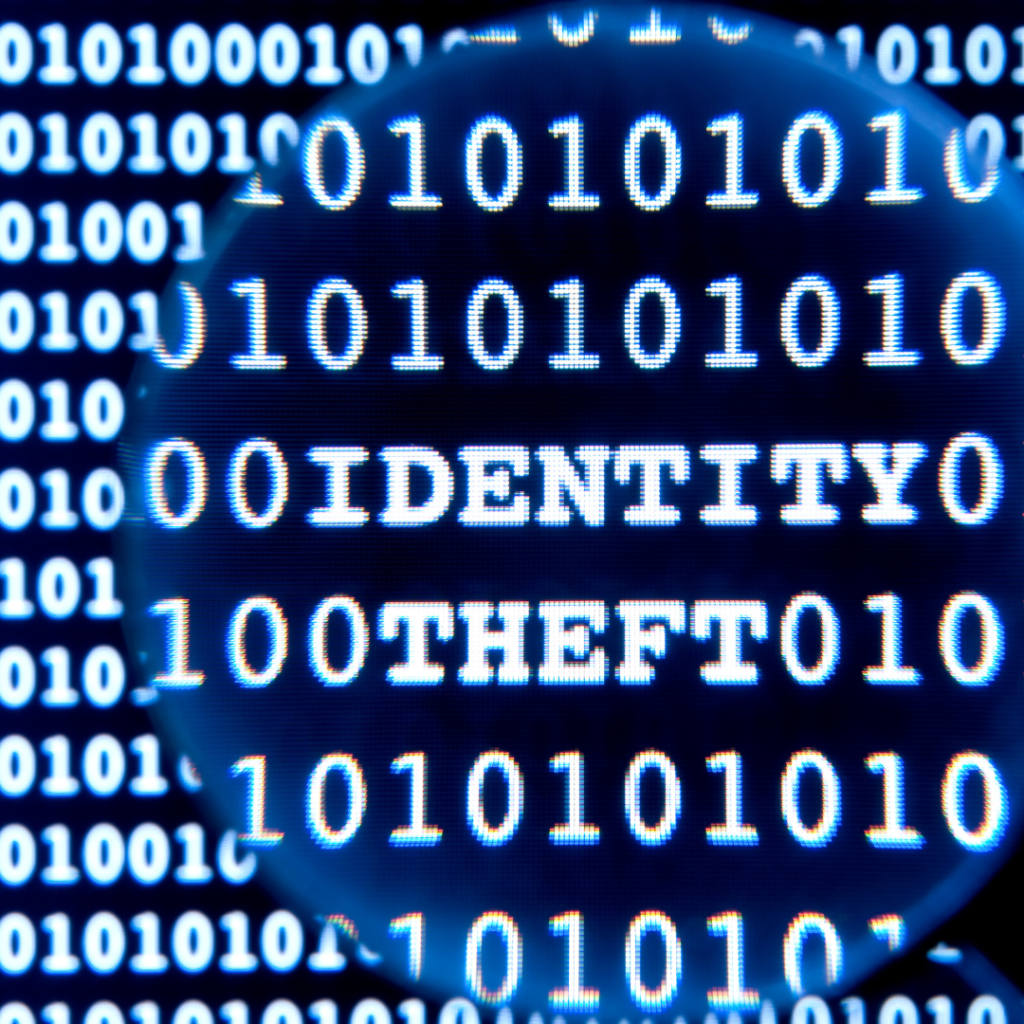
The Growing Menace of Bank Fraud Bank Fraud Explained: Prevention, Impact, and Case Studies Bank fraud has emerged as one of the most significant challenges facing financial institutions and consumers worldwide. This complex crime involves the use of deceit to illegally obtain funds, assets, or other property from a bank or its customers. The rise in digital banking has made the financial system more accessible than ever, but it has also opened the door to increasingly sophisticated fraudulent schemes. Types of Bank Fraud Bank fraud encompasses a variety of methods, including: Identity Theft: Fraudsters steal personal information to open accounts or apply for loans in someone else’s name. Check Fraud: Counterfeiting, altering, or forging checks to illegally access funds. Phishing Scams: Using fake emails, messages, or websites to trick individuals into sharing sensitive information. Loan Fraud: Misrepresenting financial information to secure loans that are never intended to be repaid. Card Skimming: Using devices to capture card details and PINs at ATMs or payment terminals. The Impact of Bank Fraud The consequences of bank fraud are far-reaching. Financial institutions incur massive losses, which often trickle down to consumers through increased fees or stricter lending policies. Victims of identity theft and other forms of fraud face financial devastation, damaged credit scores, and emotional distress. Moreover, the loss of trust in the banking system can have long-term implications for the economy. Case Studies Highlighting the Issue High-profile cases of bank fraud have demonstrated the evolving nature of these crimes. From international cybercriminal rings to individual scammers, the perpetrators are continually finding new ways to exploit vulnerabilities in the system. One example includes coordinated phishing attacks that target major banks, resulting in millions of dollars in losses. Preventing Bank Fraud Preventing bank fraud requires a collaborative effort between financial institutions, technology providers, and consumers. Banks are investing heavily in advanced fraud detection systems that use artificial intelligence and machine learning to identify suspicious transactions. Additionally, biometric authentication methods, such as facial recognition and fingerprint scanning, are becoming more prevalent. Consumers play a critical role in prevention as well. Best practices include regularly monitoring bank statements, using strong passwords, and being cautious about sharing personal information. Education campaigns by banks and regulatory bodies can also empower individuals to recognize and avoid potential scams. The Role of Regulation Governments and regulatory agencies are stepping up efforts to combat bank fraud. Stricter data protection laws and increased penalties for offenders aim to deter criminal activities. International cooperation is also crucial, as many fraud schemes operate across borders. Bank fraud poses a significant threat to the stability of the financial system, but it is a challenge that can be addressed through innovation, collaboration, and vigilance. By staying informed and proactive, both institutions and individuals can play a part in reducing the risk and impact of this pervasive crime. For more information on how to protect yourself from bank fraud, visit trusted resources such as the Federal Trade Commission (FTC) or the Financial Crimes Enforcement Network (FinCEN).

Check out our blog about Jason C. Norbeck: Identity Theft Case Hearing
Blog

Jason C. Norbeck: Identity Theft Case Hearing

Jason C. Norbeck: Identity Theft Case Hearing Jason Norbeck Identity Theft Case: Key Evidence and Testimonies The ongoing identity theft case involving Jason Christopher Norbeck has drawn national attention due to the seriousness of the allegations and the emotional impact on victims. Identity theft is a major federal crime that can result in severe legal penalties and long-term damage to those affected. The Charges Against Norbeck Jason C. Norbeck is accused of leading an intricate scheme to steal personal information and commit financial fraud. Court documents allege that Norbeck acquired private data through phishing emails, digital breaches, or deceptive tactics. He then reportedly used this information to open fake bank accounts, apply for loans, and carry out unauthorized transactions under other people’s names. Courtroom Developments and Evidence During the recent hearing, prosecutors outlined a detailed case supported by digital forensics and victim accounts. Investigators presented email records, transaction logs, and IP trace reports connecting Norbeck to the fraudulent activities. Several expert witnesses, including cybersecurity professionals, testified about the techniques commonly used in identity theft and linked them to the evidence found. On the other hand, Norbeck’s defense team challenged the credibility of the digital trail, questioning how the data was gathered and whether it directly tied him to the crimes. They argued for the dismissal of certain evidence on legal grounds and stressed the principle of reasonable doubt. Victim Impact and Emotional Toll Multiple victims testified about the devastating effects of having their identities stolen. Financially, some lost access to savings, experienced drops in their credit scores, or were denied loans. Emotionally, they described anxiety, fear, and frustration—many spent months trying to recover their financial standing and personal reputations. Implications for Data Security This case shines a light on the ongoing risks individuals face in the digital age. It also emphasizes the need for stronger protections around sensitive information. Policymakers and financial institutions are calling for enhanced cybersecurity practices and better public education about identity theft prevention. As legal proceedings continue, the identity theft case against Norbeck serves as a cautionary tale and a call to action. Protecting personal data and ensuring justice for victims must remain a top priority.

Check out our blog about Jason Norbeck Cybercrime: Identity Theft Scheme Impacts Victims
Blog

Jason Norbeck Cybercrime: Identity Theft Scheme Impacts Victims

San Francisco, CA – A Jason Norbeck cybercrime investigation has uncovered a wide-reaching identity theft operation that allegedly affected victims across multiple states. Authorities claim that Norbeck orchestrated the scheme using phishing emails, fake websites, and other deceptive tactics to gain access to sensitive personal information, ultimately leading to significant financial and emotional distress for his victims. How the Crime Unfolded According to investigators, Norbeck’s operation was both well-planned and complex. He used the stolen data to: Open fraudulent bank accounts: Using fake identities, he managed to open accounts that allowed him to launder money and make unauthorized withdrawals. Secure loans under false identities: Norbeck applied for and received loans using stolen information, putting financial institutions at risk. Make unauthorized purchases: By accessing victims’ bank and credit card details, Norbeck made online purchases, transferring funds to untraceable accounts. This Jason Norbeck cybercrime scheme involved various fraudulent activities across multiple states, leaving victims to deal with the fallout of their stolen identities and financial losses. Impact on Victims For many victims, the aftermath of this Jason Norbeck cybercrime operation has been devastating. The financial consequences are severe, with many individuals finding their bank accounts drained or their credit scores damaged. Beyond the financial strain, many victims report the emotional toll this type of crime takes. The process of clearing up damaged credit reports, disputing false charges, and restoring personal identity can take months, even years. “This is more than just losing money,” said one victim. “It’s the emotional burden of dealing with the fraud and trying to get my life back on track.” Legal Repercussions and Public Warnings Norbeck is now facing multiple federal charges, including wire fraud, identity theft, and conspiracy to commit cybercrime. If convicted, he could face several years in prison. Federal prosecutors have emphasized the seriousness of this case, noting that cybercrimes like Norbeck’s are becoming increasingly common as digital technologies continue to evolve. Authorities urge everyone to stay vigilant and take steps to protect their personal information. It’s more important than ever to: Use strong, unique passwords for all online accounts Enable multi-factor authentication where possible Regularly monitor credit reports and bank statements Be cautious with unsolicited emails or messages, especially those asking for personal details Conclusion: The Need for Digital Vigilance The Jason Norbeck cybercrime case serves as a stark reminder of the risks posed by cybercriminals in today’s digital world. As Norbeck’s trial moves forward, the case is shedding light on the importance of protecting personal information and staying aware of potential online scams. Victims of this scheme are left to pick up the pieces, while the broader public is reminded to be cautious in an increasingly digital landscape.

Check out our blog about Jason C. Norbeck Indicted in Federal Bank Fraud Scheme
Blog

Jason Norbeck Fraud: Indicted in Major Federal Bank Fraud Case Scandal

Jason Christopher Norbeck has been indicted on federal charges for his alleged involvement in a sophisticated bank fraud scandal. The Jason Norbeck indictment is the result of a multi-layered scheme that spanned several years, leading to significant financial losses and disruptions in banking systems. Details of the Jason Norbeck Indictment and Alleged Fraud Scheme Federal prosecutors allege that Norbeck masterminded a complex fraud operation, exploiting weaknesses in financial systems. The scheme involved several illegal tactics, including: Fake Identities and Documents: Norbeck allegedly created counterfeit personal information to access accounts and perform fraudulent transactions. Unauthorized Access and Transactions: He is accused of illicitly transferring funds and withdrawing money from customer accounts. Loan and Credit Fraud: Prosecutors claim that Norbeck secured loans and credit lines using false information, then defaulted on repayment. Authorities suggest Norbeck may have had accomplices involved in the operation, and the investigation remains ongoing as they work to uncover further details. Impact of the Jason Norbeck Indictment on Victims and Financial Institutions The Jason Norbeck indictment is just the tip of the iceberg, with widespread repercussions for both individuals and financial institutions. Customers have reported stolen funds, and banks are faced with mounting investigation costs, reputational damage, and claims for reimbursement. “This case undermines public confidence in banking systems,” said an FBI spokesperson. “It’s not just about financial losses—it’s about trust.” As the investigation continues, many are questioning the security of modern banking systems and the increasing threat posed by cybercrimes. A Cautionary Tale in a Digital Age Cases like this one reflect the growing risk of fraud in the era of digital banking. As technology evolves, so do the methods used by criminals to exploit it. This incident underscores the importance of strong cybersecurity and public awareness. How to Protect Yourself from Bank Fraud To avoid falling victim to fraud, here are some essential safety tips: Only use official banking apps and websites to conduct financial transactions. Monitor your account regularly and report any suspicious activity immediately. Beware of phishing scams—never provide personal information via unsolicited emails or texts. Taking these simple precautions can significantly reduce your risk of falling victim to fraud. Next Steps in the Jason Norbeck Indictment Case Jason Norbeck is awaiting trial, and if convicted, he faces serious penalties, including prison time and restitution. Federal investigators continue to probe the case, urging anyone with additional information to come forward. The Jason Norbeck indictment case is ongoing. Stay tuned for updates as the investigation continues to unfold. This case is still unfolding. Check back for updates as new developments in the Jason Norbeck fraud investigation emerge.

Check out our blog about Jason C. Norbeck: Unmasking the Identity Theft and Bank Fraud Scheme
Blog

Jason C. Norbeck: Unmasking the Identity Theft and Bank Fraud Scheme

The Alleged Jason Norbeck Fraud Scheme Jason C. Norbeck faces serious allegations of identity theft and federal bank fraud. Authorities claim that in his Jason Norbeck fraud scheme, he used stolen personal data—acquired through cyberattacks, phishing, and data breaches—to open fake accounts, apply for loans, and make unauthorized transactions. He reportedly bought sensitive information from black markets and posed as victims to exploit financial systems. These actions left individuals with damaged credit and emotional distress, emphasizing the vulnerability of today’s digital financial landscape. How Jason Norbeck Executed the Fraud Scheme Investigators believe Norbeck orchestrated a large-scale, well-structured scheme. He allegedly created networks of fake accounts to move money and obscure its origins. His calculated tactics showed little regard for the people impacted by his actions. Federal penalties for identity theft and fraud are severe, often ranging from 10 to 30 years in prison. With the scope of Norbeck’s alleged crimes, legal experts expect multiple charges and significant consequences. Protecting Against Identity Theft in a Digital World Norbeck’s case serves as a stark reminder of the growing risks of cybercrime. While banks and institutions improve security measures, individuals must also protect their data—by using strong passwords, monitoring accounts, and limiting personal information shared online. The case underscores how easily fraud can upend lives and highlights the need for constant vigilance to stay ahead of evolving threats.

Scroll to Top